
Babar Azam and Pakistan Cricketers Lose Millions in Alleged Investment Scam: Full Breakdown
Pakistan cricket is facing an off-field crisis that has nothing to do with match performances or team selection. Multiple reports confirm that Babar Azam and several other national team stars have suffered devastating financial losses after allegedly falling victim to an investment scam that now appears to be a classic Ponzi scheme.
The timing couldn’t be worse for Pakistani cricket, which is already navigating the complexities of PSL 2026 preparations and franchise restructuring. Now, some of the country’s biggest cricket names are dealing with personal financial turmoil that’s reportedly reached the Pakistan Cricket Board’s attention.
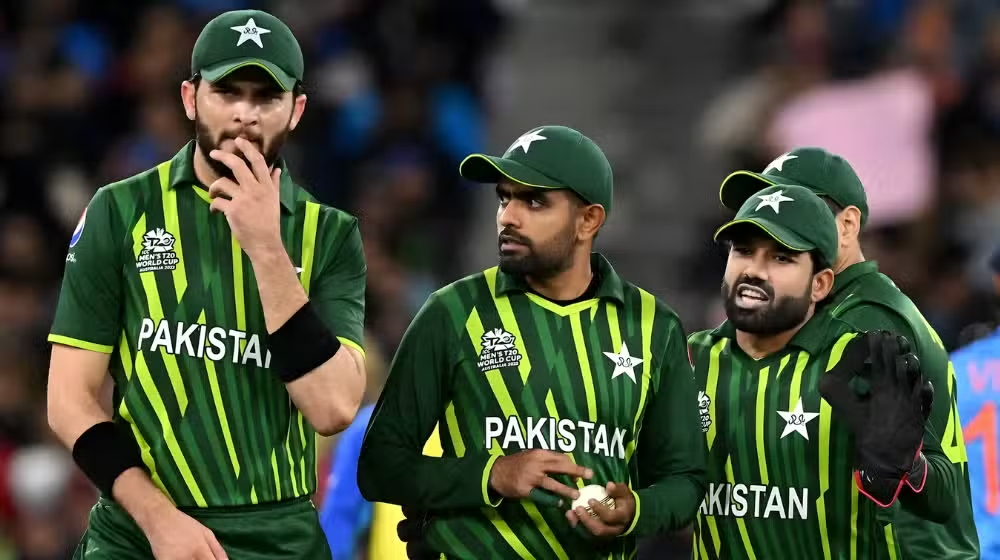
Who’s Affected? The List of Cricketers Involved
According to sources close to the matter, the scam has impacted around a dozen current national team players. While exact names haven’t been officially confirmed by the PCB, reports specifically mention:
Confirmed Names in Reports:
- Babar Azam (Former Pakistan captain)
- Mohammad Rizwan (Current wicketkeeper-batsman)
- Shaheen Shah Afridi (Star fast bowler)
- Fakhar Zaman (Opening batsman)
- Shadab Khan (All-rounder)
- Several other unnamed national players
The severity of this situation becomes clear when you realize these aren’t fringe players—these are Pakistan’s cricket superstars who’ve earned substantial incomes through international cricket, PSL contracts, and endorsement deals.
| Player | Role | PSL 2026 Status | Estimated Career Earnings |
|---|---|---|---|
| Babar Azam | Batsman | Hyderabad Captain | ₹100+ Crores (approx.) |
| Mohammad Rizwan | Wicketkeeper | Active franchise player | ₹75+ Crores (approx.) |
| Shaheen Afridi | Fast Bowler | Franchise mentor role | ₹60+ Crores (approx.) |
| Fakhar Zaman | Opening Batsman | Active in PSL 11 | ₹40+ Crores (approx.) |
How the Alleged Scam Worked
The investment scheme reportedly followed the textbook pattern of a Ponzi operation—promising high returns while actually paying early investors with money from newer participants rather than legitimate profits.
The Scam Timeline:
Phase 1: Trust Building The businessman behind the scheme wasn’t a stranger. He had established connections within Pakistan’s cricket ecosystem, including alleged sponsorship activities in the Pakistan Super League. This familiarity made players feel secure about investing substantial amounts.
Phase 2: Initial Success For the first few months, everything seemed legitimate. Investors received their promised returns on schedule, which encouraged them to invest even more—and recommend the opportunity to teammates and family members.
Phase 3: The Collapse Suddenly, payments stopped. When players questioned the businessman, he allegedly claimed he’d suffered major losses and couldn’t return the invested capital. Shortly afterward, he reportedly cut off all communication and fled Pakistan.
This pattern is identical to countless Ponzi schemes throughout history: early “success” builds confidence, leading to larger investments, until the entire structure collapses when new money stops flowing in.
The Shocking Financial Impact
While official figures remain unconfirmed, sources suggest the losses could run into millions of rupees per player. What makes this even more heartbreaking is that some cricketers reportedly invested not just their own earnings, but also money belonging to:
- Family members
- Close friends
- Business associates who trusted the players’ judgment
For context, even a ₹5-10 crore loss (roughly $600,000-$1.2 million USD) would represent a substantial portion of a cricketer’s career earnings, especially considering that playing careers are relatively short.
PCB’s Response and Investigation Status
The Pakistan Cricket Board has reportedly been informed about the situation and is understood to be reviewing the case after concerns were raised within cricket circles. However, there’s been no official public statement from the PCB regarding:
- The exact number of affected players
- Total financial losses
- Whether the board will provide any support to affected cricketers
- Potential disciplinary actions if players violated any contracts
The PCB’s silence could be strategic—allowing players privacy during a difficult period while investigating whether any board regulations were breached.
Why Do Cricketers Fall for Investment Scams?
This isn’t the first time professional athletes have lost fortunes to fraudulent investment schemes. Several factors make cricketers particularly vulnerable:
Risk Factors for Athletes:
1. Sudden Wealth Without Financial Education Most cricketers come from middle-class backgrounds and suddenly earn massive sums through contracts, endorsements, and tournament fees. Without proper financial literacy, they’re easy targets.
2. Trust-Based Social Circles The cricket ecosystem is relatively small. When someone within this circle—especially someone involved with PSL sponsorships or team operations—offers investment opportunities, trust is higher than with unknown financial advisors.
3. Time Constraints Professional cricketers spend most of their time training, traveling, and playing. They often rely on recommendations from teammates rather than conducting thorough due diligence.
4. FOMO (Fear of Missing Out) When teammates report earning good returns, others feel pressure to join before the “opportunity” disappears.
Warning Signs: How to Spot a Ponzi Scheme
For other athletes and the general public, this incident serves as a crucial reminder. Here are red flags that should trigger immediate skepticism:
| Warning Sign | What It Means |
|---|---|
| Guaranteed high returns | Legitimate investments carry risk; guarantees are impossible |
| Pressure to recruit others | Ponzi schemes need constant new investors to survive |
| Difficulty withdrawing funds | Scammers create excuses to prevent withdrawals |
| Vague or secretive investment strategy | Legitimate businesses explain how they generate profits |
| Unregistered investments | Always verify registration with financial authorities |
Impact on PSL 2026 and Player Morale
While the PSL 2026 auction and tournament preparations continue, this scandal raises questions about player focus and mental well-being heading into the season.
Players dealing with such significant financial stress might face:
- Concentration issues during matches
- Strained relationships with family members who also lost money
- Legal complications if they pursue recovery efforts
- Media scrutiny and public sympathy/criticism
For Sialkot Stallionz and other franchises, there may be concerns about whether affected players can maintain peak performance while dealing with this crisis.
Legal Options for Affected Cricketers
Pakistani law provides several avenues for victims of financial fraud:
Potential Legal Actions:
- Filing FIRs under Pakistan’s fraud and criminal breach of trust laws
- Civil lawsuits to recover invested amounts
- Requesting Interpol assistance if the businessman fled to another country
- Approaching banking authorities to freeze the businessman’s domestic assets
However, Ponzi scheme victims typically recover only a fraction of their losses, especially when the perpetrator has left the country.
Lessons for Pakistani Athletes Moving Forward
This incident highlights the urgent need for financial literacy programs within Pakistani cricket. The PCB, franchises, and player associations should consider:
- Mandatory financial education workshops for all contracted players
- Verified financial advisor networks that players can trust
- Investment vetting processes before players commit large sums
- Early warning systems when suspicious schemes circulate in cricket circles
Frequently Asked Questions
Q1: How much money did Babar Azam lose in the investment scam? Exact figures haven’t been officially confirmed, but reports suggest losses could run into millions of rupees. Some sources claim individual players lost between ₹5-20 crores.
Q2: Has the businessman been arrested? No arrests have been reported. The businessman allegedly fled Pakistan after cutting contact with the investors, making recovery efforts more challenging.
Q3: Will this affect PSL 2026 team compositions? Unlikely. Player contracts and auction results aren’t typically affected by personal financial issues unless legal complications prevent participation.
Q4: Is the PCB investigating the matter? The PCB is reportedly reviewing the situation after concerns were raised, but no official investigation or statement has been publicly announced yet.
Q5: Were any PSL franchises involved in the scam? No evidence suggests franchise involvement. The businessman allegedly had connections to PSL sponsorship activities, but franchises themselves haven’t been implicated.
Q6: Can the affected players recover their money? Recovery in Ponzi schemes is historically difficult, especially when perpetrators flee the country. Legal action may help, but victims typically recover only a small portion of losses.
This devastating incident serves as a sobering reminder that financial education is just as important as cricket skills for professional athletes. As Pakistan cricket moves toward PSL 11, hopefully this crisis will spark meaningful changes in how players manage and protect their hard-earned wealth.