
PSL Ban and Financial Sanctions: What Pakistan Faces After T20 World Cup 2026 Boycott Decision
Pakistan cricket just walked into a storm that could reshape everything from bilateral series to the Pakistan Super League 2026. The International Cricket Council is preparing severe punitive measures after Pakistan’s government announced they’ll boycott their T20 World Cup match against India on February 15 in Colombo—despite having a binding contract.
The fallout? Everything from tournament bans to PSL 2026 player restrictions and financial penalties that could run into hundreds of millions. Here’s what’s actually at stake.
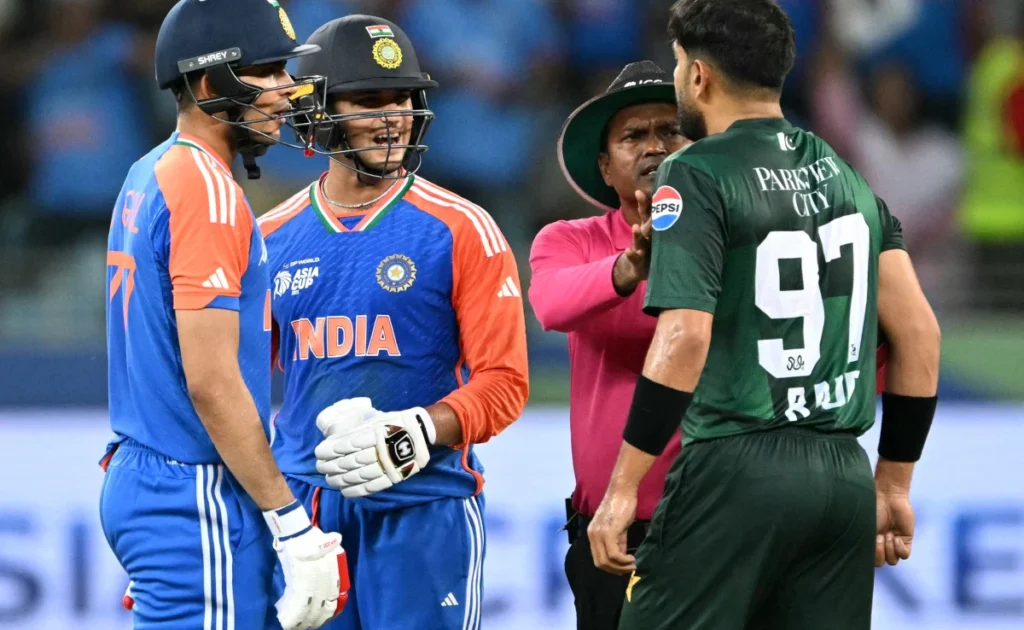
ICC Emergency Meeting: What Happens Monday
The ICC Board convenes virtually on Monday, February 3 to decide Pakistan’s fate. According to ICC Board sources, the agenda includes whether Pakistan should even be allowed to continue in the T20 World Cup 2026 after their boycott announcement.
“The PCB hasn’t yet officially informed ICC, but since there has been an official announcement, the ICC is expected to take some stringent actions,” an ICC Board source confirmed to PTI.
The decisions made in this meeting could fundamentally alter Pakistan’s cricket landscape for years to come.
Five Major Sanctions Pakistan Could Face
1. Complete Tournament Ban
The most drastic option: Pakistan gets banned from T20 World Cup 2026 entirely. If this happens, Uganda would step in as the replacement team. This would be unprecedented—a Full Member nation kicked out of cricket’s biggest event for a political boycott decision.
2. PSL Overseas Player Ban
Here’s where it hits home. Current international players could be barred from participating in PSL—the league’s biggest revenue driver. Only retired players and free agents would be allowed.
This would devastate PSL 2026 teams that rely on star power from England, Australia, South Africa, and the West Indies to attract fans and sponsors. Imagine PSL without overseas firepower—that’s the reality Pakistan might face.
| Sanction Type | Impact on PSL |
|---|---|
| Overseas Player Ban | Current internationals barred (except free agents) |
| Financial Penalties | Reduced budget for franchises |
| Broadcasting Hit | Lower viewership without marquee names |
| Sponsorship Loss | Corporate deals dependent on star appeal |
3. Massive Financial Compensation
Pakistan would have to compensate Jio-Star (ICC’s host broadcaster) for revenue losses from the India-Pakistan match cancellation. We’re talking millions of dollars in lost advertisement revenue.
An India-Pakistan T20 match commands premium ad rates of Rs 25-40 lakh per 10 seconds. Total advertisement revenue loss? Over Rs 200 crore for just one match.
And that’s not all—ICC annual revenue payouts to PCB would be withheld, cutting off a major funding source for Pakistan cricket operations.
4. Bilateral Series Sanctions
ICC member boards could refuse to travel to Pakistan for bilateral series. Even if some boards agree to play, the results might not impact ICC rankings across formats.
There’s also speculation that World Test Championship points might not be awarded to Pakistan for future series, effectively removing them from international competition structures.
5. Rankings and WTC Points Freeze
Pakistan’s performance in bilateral series could be excluded from ICC rankings calculations, meaning wins and losses wouldn’t affect their standing in Test, ODI, or T20I formats. This removes competitive incentive and devalues their cricket internationally.
Why Pakistan Made This Decision
Pakistan’s boycott stems from solidarity with Bangladesh, who were ousted from the T20 World Cup. The PCB decided not to play their group stage match against India in Colombo despite having a binding contract with ICC and BCCI for neutral-venue matches.
This political stance now threatens to undermine the entire Pakistani cricket ecosystem—from grassroots development funded by ICC revenue to the commercial viability of PSL.
What This Means for PSL 2026
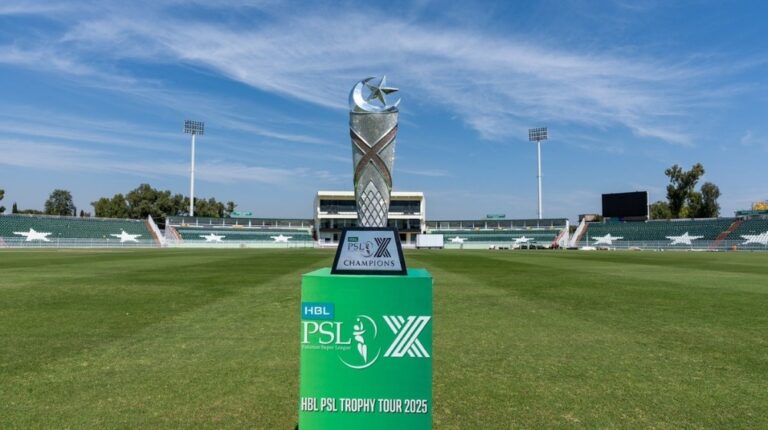
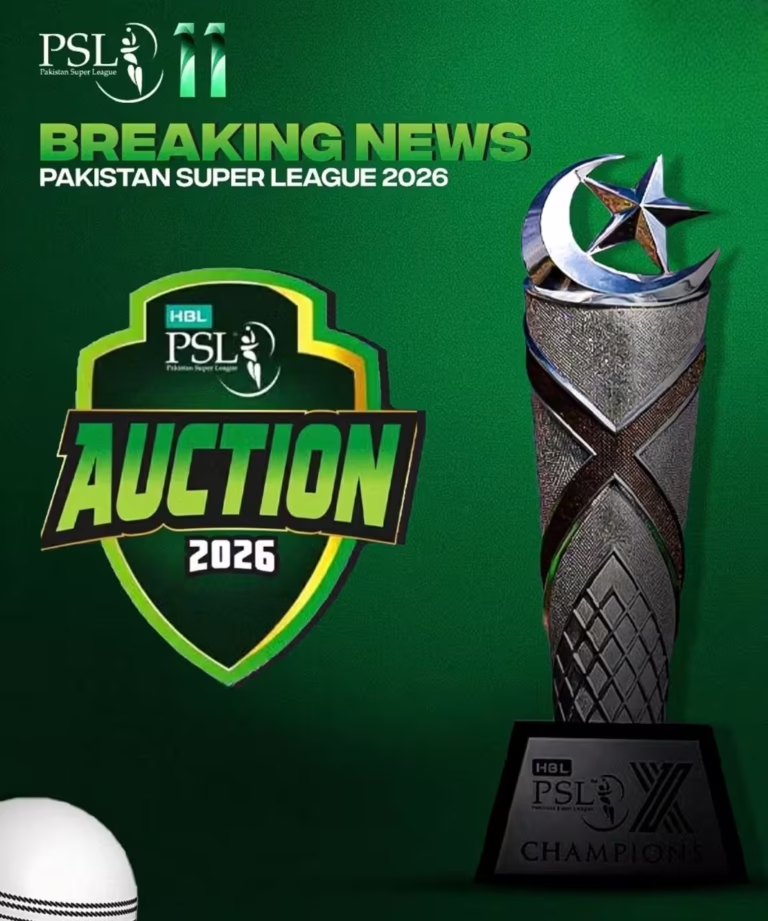
The Pakistan Super League was already navigating auction preparations for the expanded eight-team format with Hyderabad and Sialkot joining established franchises. Now, team owners face unprecedented uncertainty.
Potential PSL Scenarios
Best Case: ICC issues financial penalties but allows overseas players to participate with restrictions.
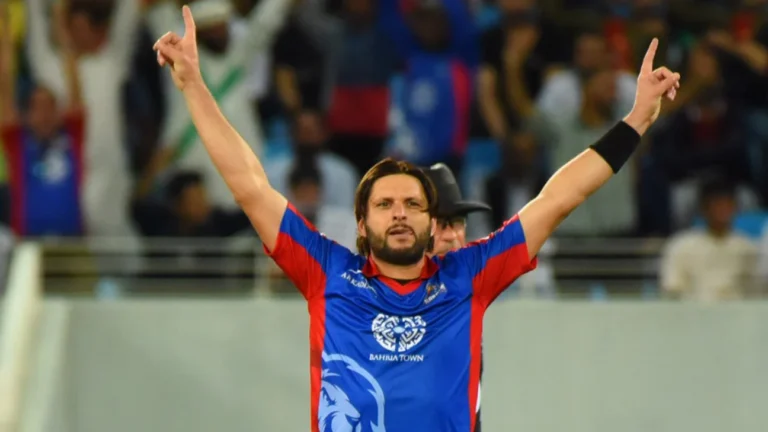
Moderate Case: Current international players banned; only retired stars like Chris Gayle, Dwayne Bravo, or Shahid Afridi types allowed.
Worst Case: Complete overseas ban plus financial sanctions that force franchise budget cuts across the board.
| PSL Aspect | Risk Level | Potential Impact |
|---|---|---|
| Overseas Stars | CRITICAL | May lose active internationals |
| Sponsorship Deals | HIGH | Brands may reduce investment |
| Broadcasting Rights | HIGH | Lower viewership affects revenue |
| Franchise Valuations | MEDIUM | Recent auctions (Multan at PKR 200cr) could face pressure |
| Youth Development | MEDIUM | Reduced ICC funding impacts academies |
Global Cricket Community Reacts
While official statements are pending the Monday ICC meeting, cricket analysts worldwide are highlighting the self-inflicting nature of this decision.
Pakistan cricket depends heavily on:
- ICC revenue sharing for operational budgets
- PSL commercial success for domestic cricket funding
- International tours for player development
- ICC events participation for global relevance
Jeopardizing all four pillars over one match creates a domino effect that could take years to recover from.
Historical Context: When Cricket Faced Political Boycotts
This isn’t the first time politics intersected cricket, but previous situations involved government-level sanctions (like South Africa during apartheid) rather than voluntary boycotts by Full Member nations with binding contracts.
The ICC has never faced a situation where a major cricket nation unilaterally decided to boycott a single match while participating in the rest of the tournament. The precedent this sets could embolden other nations to make similar political statements, threatening the entire structure of international cricket.
What Happens If Uganda Replaces Pakistan?
Should Pakistan face a tournament ban, Uganda’s inclusion would mark a historic moment—an Associate nation getting a last-minute World Cup spot. However, this also raises competitive balance questions for the tournament structure.
Fan Reactions and PCB’s Dilemma
Pakistani cricket fans are caught between national pride and practical concerns. Social media shows divided opinions:
- Supporters: Applaud the solidarity stance with Bangladesh
- Critics: Warn about long-term damage to Pakistani cricket infrastructure
- Pragmatists: Suggest diplomatic solutions that avoid sanctions
PCB officials now face an impossible choice: backtrack on the boycott announcement (facing domestic political backlash) or proceed with consequences that could cripple Pakistan cricket for years.
What’s Next?
All eyes on Monday’s ICC Board meeting. The decisions made will determine:
- Whether Pakistan continues in T20 World Cup 2026
- Financial penalties amount and payment structure
- PSL overseas player participation rules
- Bilateral series sanctions timeline
- ICC ranking and WTC points treatment
Frequently Asked Questions
When will ICC decide on Pakistan’s sanctions?
The ICC Board meets virtually on Monday, February 3, 2026, to discuss and finalize punitive actions against Pakistan.
Can overseas players still participate in PSL 2026?
Current international players may be banned from PSL, with only retired players and free agents allowed if sanctions are enforced.
How much could Pakistan lose financially?
Compensation to Jio-Star could reach millions of dollars, plus withheld ICC annual revenue and advertisement losses exceeding Rs 200 crore.
Will Pakistan be banned from T20 World Cup 2026?
It’s a possibility being discussed; if banned, Uganda would replace Pakistan in the tournament.
What happens to Pakistan’s ICC rankings?
Bilateral series results may not impact ICC rankings across formats, and WTC points might not be awarded.
Why did Pakistan boycott the India match?
Pakistan announced the boycott in solidarity with Bangladesh’s ouster from the T20 World Cup, despite binding contracts with ICC.